





Atlanta Crawl Space Mold Remediation: How Fast You Need to Act to Protect Your Home
Atlanta Crawl Space Mold Remediation: How Fast You Need to Act to Protect Your Home
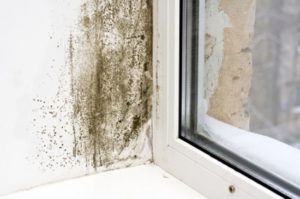
When moisture sneaks into the area beneath your home, mold doesn’t wait. In our humid Atlanta climate, growth can begin fast and spread across wood, insulation, and ducts. If you notice musty odors or see dark spotting on joists, it’s time to consider crawl space mold remediation before the problem worsens. This guide explains how quickly mold progresses in Atlanta, why speed matters, and how crawl space encapsulation helps stop it for good.
Why Speed Matters With Crawl Space Mold
In the right conditions, mold can start forming within a day or two and expand across surfaces over the next week. Warm temperatures, high humidity, and organic materials like wood make Atlanta crawl spaces a perfect host. Summer thunderstorms, leaf-clogged gutters, and red clay soils that hold water can all raise moisture below your floors.
Time is critical in the first 48 hours. That’s usually when airborne spores settle, take hold on damp wood, and begin colonizing. Once colonies spread along floor joists and subfloor, odors migrate upward and the cleanup becomes more complex.
What Usually Happens in the First 48 Hours
Moist air condenses on cooler framing members, tiny droplets wet the wood surface, and microscopic spores land and germinate. You may not see much yet, but the musty smell often appears. A dehumidifier upstairs won’t solve this; the source is below the living space.
Days 3–14: Compounding Problems
As colonies expand, staining becomes visible and insulation can start to sag. Spores and musty air ride the stack effect into living areas. If a slow plumbing drip or grading issue keeps feeding moisture, you get a repeating cycle of growth and odor that will not resolve on its own.
How Dangerous Is Crawl Space Mold?
Most household molds thrive on damp wood and paper facing on insulation. Left unchecked, growth can stain and weaken materials and send odors and particles into your home’s air. People with allergies or asthma may feel worse when musty air migrates inside. Never ignore a persistent musty odor; it usually signals active moisture and possible mold below the floor.
Beyond air quality, moisture that supports mold can also lead to wood decay and metal corrosion. That’s why treating growth is only half the job. The underlying moisture must be controlled or the problem returns.
Why Atlanta Homes See Fast Mold Growth
Local conditions make crawl space moisture common across Metro Atlanta:
- Humid summers and frequent storms raise dew points, so surfaces sweat and stay damp.
- Older homes in areas like Buckhead and East Atlanta may have vented crawl spaces that pull in wet outside air.
- Clay-rich soils slow drainage, keeping the ground damp around foundations.
- Shaded lots with mature trees reduce drying after rain.
When these factors combine, humidity can linger above safe levels under your home, creating a perfect environment for mold to spread.
Crawl Space Encapsulation Stops Mold at the Source
Once mold is professionally removed, sealing out moisture is the long-term solution. That’s where crawl space encapsulation comes in. By isolating the space from damp soil and humid outdoor air, encapsulation helps keep wood dry and prevents new growth from taking hold.
What a Proper Encapsulation Includes
- Heavy-duty vapor barrier sealed to the walls, piers, and floor to block ground moisture.
- Sealed vents and a tight crawl door to keep humid outside air from entering.
- Conditioning with a dedicated dehumidifier to hold safe humidity levels.
- Drainage solutions as needed so water has a way out during Atlanta’s heavy rains.
Do not disturb visible mold or peel back insulation yourself. Disturbing growth can release more spores and make cleanup harder. A trained team will remediate first, then encapsulate so the fix lasts.
How Quickly Mold Spreads in Crawl Spaces
Homeowners often ask how fast mold moves. In a damp crawl space, new surfaces can be colonized within days and staining can expand week by week. Porous materials, like the paper on insulation, readily support growth. Wood framing absorbs and holds moisture, giving spores a foothold. Air movement from HVAC ducts can also carry spores to fresh areas.
The speed varies by moisture level and temperature, but the pattern is consistent: moisture first, mold second. That’s why a response window of days, not weeks, protects your home best.
Clear Signs You Need Emergency Mold Remediation in Atlanta
Some clues are easy to miss, others you’ll smell right away. If you notice any of the following, request priority service and ask for an inspection:
- Musty odors that linger after rain or when the HVAC turns on
- Dark speckling on joists, subfloor, or insulation facing
- Sagging or fallen insulation under rooms with soft, cold floors
- Water staining, efflorescence on block walls, or puddling
- Condensation on ducts or metal surfaces in the crawl space
When timing matters, schedule professional help quickly. For trusted crawl space mold remediation in Atlanta, GA, start with a local team that can assess moisture, remove growth, and prevent its return.
What to Expect From Us During Remediation
Inspection and Moisture Mapping
A trained specialist checks humidity, wood moisture, and the pattern of growth across joists, subfloor, and insulation. They also look for entry points like open vents, unsealed crawl doors, or exterior grading that pushes water toward the foundation.
Containment and Removal
To protect the rest of the home, technicians isolate the crawl space, use filtration to capture particles, and remove contaminated materials that cannot be cleaned. Cleanable framing is addressed with appropriate methods and the area is thoroughly vacuumed and wiped so surfaces are ready to stay dry.
Drying and Prevention Plan
After the cleanup, the team reduces humidity to safe levels and recommends long-term moisture control. In Atlanta, that often means encapsulation paired with a dehumidifier and drainage improvements where needed.
How Encapsulation Protects Atlanta Neighborhoods Year-Round
From Midtown townhomes to bungalows in Kirkwood and classic ranches in Decatur, the goal is the same: keep moisture out so mold has nothing to feed on. Encapsulation helps during summer humidity spikes and protects in winter when cold outside air can condense on warmer indoor surfaces below the floor. It also guards insulation from sagging, so rooms above feel more comfortable.
Common Myths About Crawl Space Mold
“If I Ventilate More, It Will Dry Out.”
Bringing in humid outdoor air usually makes things wetter in Atlanta’s climate. Sealing and controlled dehumidification works better than open vents.
“Bleach Alone Fixes the Issue.”
Surface discoloration might fade, but moisture remains. Without encapsulation and humidity control, growth can return in the same spots. Professional remediation plus prevention is the lasting solution.
Choosing the Right Partner for Fast Results
Look for a local provider that can respond quickly after storms, explain their process clearly, and offer both remediation and moisture control. A company that handles both steps can coordinate the timeline so you are not waiting between cleanup and encapsulation. It also ensures responsibility for the outcome is clear.
When speed matters, booking crawl space mold remediation early shortens the overall project and reduces secondary damage like odors, insulation failure, and wood deterioration.
More Tips on Crawlspace Mold Remediation








