





Signs Your Atlanta Crawl Space Insulation Is Failing (And How to Fix It)
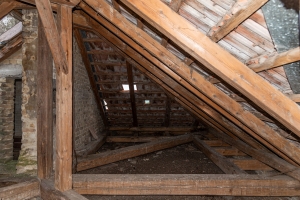 If your floors feel chilly, your home smells musty after a rainstorm, or your energy bills keep creeping up, your crawl space insulation may be letting you down. Atlanta’s humid summers and quick winter swings are tough on materials under your home. Here’s how to spot failure early and what a pro will do to make it right so you feel comfortable again.
Want a quick overview of proven fixes? Review our guide to crawl space insulation and how professional upgrades restore comfort and air quality.
Why Crawl Space Insulation Fails In Atlanta, GA
Metro Atlanta sits in a warm, humid climate. Moist air sneaks into vented crawl spaces and condenses on cool surfaces. Over time, fiberglass batts get heavy with moisture, slump, and fall. Pests love soft, damp insulation for nesting. Add the occasional storm in Buckhead or a cold snap in Decatur, and materials expand and contract until they separate from the subfloor.
Homes in neighborhoods like Virginia-Highland, Grant Park, and Sandy Springs also face clay soils that hold moisture near foundations. If ground vapor is not controlled, it soaks insulation and feeds mildew. Age plays a role too. Older batts lose R‑value and can no longer stop heat loss through the floor.
Clear Signs Your Crawl Space Insulation Is Failing
- Cold floors over the crawl space, especially in the morning or during short winter fronts.
- Musty odors that get stronger after rain or when the HVAC cycles on.
- Drafty rooms above the crawl, even with doors and windows closed.
- Insulation that’s sagging, fallen, or looks dark from moisture and dust.
- More pests, droppings, or torn paper facing near plumbing and ducts.
- Unexplained energy spikes compared to last season’s bills.
These aren’t just comfort problems. Damp, fallen insulation can trap moisture against wood, inviting mold and wood rot. Over time that can show up as soft, squeaky spots in flooring or doors that go out of square.
What Happens If You Ignore It
Wet insulation loses most of its insulating power. Air from the crawl space moves upward through gaps, carrying odors and allergens into bedrooms and living spaces. Your HVAC runs longer to overcome heat loss through the floor. In extreme cases, long-term moisture contributes to subfloor damage. Fixing insulation failure early protects indoor air, energy use, and framing.
The Right Way Pros Fix Crawl Space Insulation
Every home is different, but a proven, step-by-step approach works for Atlanta conditions:
- Inspection and moisture readings to confirm what failed and why.
- Safe removal of damaged materials and debris so problems don’t recycle.
- Moisture control with ground vapor protection and air sealing so new insulation stays dry.
- Choosing the right placement: floor-joist insulation for certain vented crawls or wall insulation for closed, conditioned spaces.
- Protective details around rim joists, ducts, and plumbing to stop air leaks.
- Optional dehumidification or drainage where chronic moisture is present.
For a deeper look at solutions that hold up in our climate, read this local post on encapsulating your crawl space in Atlanta. It explains how moisture control and insulation work together.
When you’re ready to correct the root cause and upgrade comfort, review the options here: insulation upgrades for your crawl space.
Atlanta Weather Meets Real-World Homes
Summer afternoons can push humidity high across the city from Midtown to Marietta. That moist air seeps into any open vent or gap and condenses on cooler floor structures and ductwork. In winter, even brief cold snaps make floors feel icy where insulation has fallen. Pair that with local clay soil that holds groundwater near footings, and you have a recipe for damp, underperforming insulation unless the crawl space is properly managed.
How To Tell It’s Time To Replace Insulation
Replacement is often due when one or more of these are true:
- You see widespread sagging or batts lying on the ground.
- There’s visible mildew staining or a musty smell that returns after cleaning.
- Floor temperatures vary room to room, and comfort never feels consistent.
- Energy bills have risen compared to similar weather last year.
Don’t climb into the crawl space yourself. It’s cramped, can contain sharp debris, and may expose you to allergens. A trained technician can evaluate conditions safely and recommend the right path.
Floor-Joist vs. Wall Insulation: What Works Here
In a vented crawl space that will remain vented, properly supported insulation between floor joists can help reduce heat loss. The key is dry conditions and solid air sealing at the rim joist. In a closed, conditioned crawl space, insulating the foundation walls and sealing the ground with a quality liner helps keep the entire crawl dry and within the home’s thermal boundary. Both strategies depend on moisture control to work well in Atlanta.
Related Reading From Our Team
See how insulation, sealing, and moisture control boost comfort and efficiency in this article: improve your home with crawl space insulation. It breaks down the benefits and what to expect.
What To Expect During Professional Repair
First, a specialist inspects your crawl space, documents moisture sources, and notes where insulation has failed. Next, the crew removes old, wet materials and addresses air leaks at the rim and penetrations. Moisture management follows, including a durable ground liner and sealing vents for closed crawls when appropriate. Only then is new insulation installed so it stays dry and effective.
Good insulation without moisture control won’t last. The winning combo in Atlanta is dry soil, limited outdoor air, and insulation that stays in place.
Comfort You Can Feel Across Atlanta Neighborhoods
Homeowners in Buckhead often notice cold hardwoods in rooms above a breezy crawl. In East Atlanta bungalows, musty odors can ride the stack effect straight into living spaces on humid days. Families in Sandy Springs with ducts in the crawl may feel uneven temps room to room. These are classic signals that insulation and moisture control need attention.
Ready For Warmer Floors And Healthier Air?
Whether you live in a 1950s ranch in Decatur or a newer home near the BeltLine, you deserve consistent comfort. If you’re noticing the warning signs above, it’s time to bring in a pro who understands Atlanta’s weather and soils. Start by reviewing our approach to crawl space insulation and how it supports a dry, efficient home.
Talk With A Local Expert Today
Have questions about the right plan for your home? Speak with Southeastern Crawlspaces at 404-821-2711. Our team will evaluate your crawl space, explain clear next steps, and schedule the work so you can enjoy steady comfort again. For a broader look at solutions, services, and helpful tips, explore crawl space insulation in Atlanta on our home page.
Bottom line: if you feel cold floors, smell must, or see insulation hanging, the problem won’t fix itself. Address it now and enjoy quieter rooms, cleaner air, and steadier bills through every Atlanta season.
More Tips on Crawl Space Insulation








