





How to Tell If Wet Insulation Needs Removal (And What Happens If You Wait)
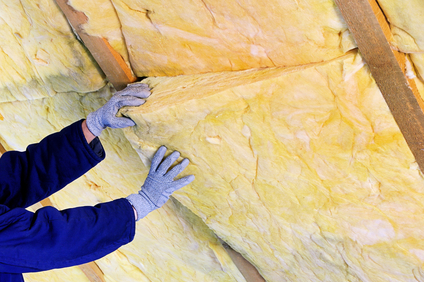
Atlanta’s heat and humidity are tough on crawl spaces. When insulation gets wet, it loses performance fast and can invite problems you can smell, see, and feel underfoot. If you suspect trouble, start with a professional inspection and learn what to do next. For a clear next step, see how insulation removal is handled by pros at Southeastern Crawlspaces.
Why Wet Insulation Is a Big Deal in Atlanta Homes
Moisture is the enemy of insulation performance. Fiberglass batts can soak up humidity like a sponge. Cellulose can clump. Even foam can hide condensation on cold surfaces. In our area, summer storms, leaky pipes, sweating ducts, and open foundation vents can feed constant dampness under the house. That dampness migrates up, affecting floors, indoor air, and energy bills from Buckhead to Decatur and across East Atlanta and Sandy Springs.
Wet fiberglass loses most of its insulating value when saturated, and once it sags, it often stays that way. If the space stays humid, mold can grow on wood framing and paper facings. Odors ride the stack effect into living areas. Left alone, this can snowball into structural repairs and persistent comfort issues.
Clear Signs Your Crawl Space Insulation Needs Removal
You don’t need to crawl under the house to notice warning signs. Pay attention to what your home is telling you after heavy rain or during sticky summer weeks.
- Musty or sweet, earthy odors that return after drying out upstairs
- Floors over the crawl space feel cold in winter or spongy near walls
- Higher energy bills without a change in thermostat habits
- Visible sagging, dark staining, or “fallen” batts near access panels
- Rust on metal hangers, HVAC ducts that sweat, or damp insulation touching ducts
- Allergy or irritation symptoms that ease when you’re away from home
During a professional visit, a tech also looks for water lines on piers, damp soil, disconnected downspouts, and foundation vents pulling humid air into the space. In many Atlanta neighborhoods with dense tree cover and Georgia red clay, stormwater can sit against the foundation and keep conditions wet long after the rain stops.
Local insight: After afternoon storms, humidity often lingers into the evening. Open foundation vents can pull that moisture straight into your crawl space, even if it looks dry at midday. Sealing vents is usually part of a long‑term fix.
What Happens If You Wait Too Long
Putting off removal might feel harmless, but problems compound under the surface. Here is what homeowners across Atlanta commonly face when wet insulation is left in place:
- Persistent odors that reappear with every humid spell, even after surface cleaning
- Compressed or fallen batts that slash R‑value and waste conditioned air
- Mold growth on joists and subfloor, increasing remediation scope
- Pest activity as damp insulation creates cozy nesting spots
- Wood rot and fastener corrosion that can lead to costly structural fixes
Moisture problems rarely stay put. Air moves from low to high in a house, so what starts under the floor often rises to the rooms you live in. That is why addressing wet insulation quickly protects both comfort and the structure.
How Pros Assess and Handle Insulation Removal
A thorough contractor visit begins with moisture source mapping, not just pulling out material. Crews check grading, gutters, splash blocks, pipe leaks, and whether vents are introducing outdoor humidity. They also look at duct sealing, because condensation on cold supply lines can drip onto insulation in summer.
Once the cause is documented, the removal plan typically includes:
- Careful sectioning and bagging of damaged insulation to control debris and fibers
- HEPA‑grade cleanup of loose particles and a full visual check of wood and ducts
- Dry‑out and dehumidification to bring the crawl space to a stable range
- Documentation of areas that need sealing, insulation strategy, and vapor control
Never try to remove wet insulation yourself. Confined spaces, unknown contaminants, and electrical and mechanical obstacles make DIY work risky. A trained team brings the proper containment, tools, and safety practices for tight Atlanta crawl spaces.
Fix the Moisture First: Encapsulation and Vapor Control
Replacing insulation without controlling moisture is like putting a dry towel back in the rain. The long‑term solution for many Atlanta homes is sealing the crawl space and controlling humidity. That often includes a ground vapor barrier, air sealing, closed vents, and a dehumidifier sized for the space. Learn what a complete system looks like by reviewing crawl space encapsulation steps and materials.
Some homes with minor dampness are stabilized by drainage corrections and targeted air sealing. Others need a full system due to chronic humidity, shaded lots, or low‑lying yards that collect water. A professional will size the approach to your crawl space rather than applying a one‑size‑fits‑all fix.
Odor, Compression, Mold Risk, Energy Loss: How They Connect
These four homeowner headaches are linked. When insulation gets damp, it compresses and slumps. That lowers R‑value and makes rooms over the crawl space uncomfortable. Lower performance forces longer HVAC runtimes, and ducts may sweat, adding more moisture. Odors form as organic materials stay wet, and mold risk rises when humidity stays high.
Do not ignore musty odors. Smell is often your first and best early warning sign. If you notice it after storms or during our sticky July and August weeks, call a pro right away so the problem doesn’t spread to wood framing.
What Atlanta Homeowners Can Expect During the Visit
The best service experiences feel simple. Your team will walk you through photos and moisture readings, so you see what they see. You will get a plan that explains what is removed, how the space is cleaned, and the recommended path to keep it dry. If you want a primer before they arrive, browse our local guides in the Atlanta crawl space blog to see how moisture behaves in our climate.
If you are comparing options for crawl space insulation removal in Atlanta, start with a whole‑home view. The right plan lines up drainage, air sealing, vapor control, and the specific insulation to match your home and comfort goals.
Seasonal Timing: When To Act in Atlanta, GA
Many homeowners notice issues after spring storms or during late‑summer humidity. Winter is also revealing, because cold snaps make floor comfort issues stand out and expose where insulation has slipped. The best time to act is as soon as you notice signs. Prompt removal and drying prevents damage and makes any follow‑up encapsulation work smoother.
Whether you live near the Chattahoochee River, on a shaded lot in Decatur, or in an older bungalow in Grant Park, conditions below the floor can shift quickly. A professional team that understands our soils, rainfall patterns, and older framing styles can spot problems faster and recommend solutions that stick.
Why Homeowners Choose Southeastern Crawlspaces
Atlanta homeowners want fewer surprises and lasting results. Southeastern Crawlspaces focuses on clear communication, photo‑rich reports, and solutions that tackle root causes. From the first call to the final walkthrough, you know what is being removed, what is being sealed, and why it protects your home. If removal is recommended, we will explain how our insulation removal process keeps debris contained and prepares the space for long‑term moisture control.
When the job calls for a sealed system, we design for service access and future maintenance. That means clean runs around plumbing, thoughtful sump and drain routing where needed, and insulation choices that fit Atlanta’s temperature swings.
Next Steps: Get Your Crawl Space Back on Track
If your home shows signs of wet insulation, a quick, professional assessment can prevent bigger repairs. You will get clarity on sources, a safe removal plan, and options to keep the space dry going forward. To discuss your situation or schedule a visit, call Southeastern Crawlspaces at 404-821-2711.
Ready to move? Start by setting an inspection and learning what removal and moisture control will look like for your specific home. Our team serves neighborhoods across Atlanta, GA, and nearby communities.
Protect Your Home and Air Quality Today
Worried about odors, compressed batts, or mold risk under your floors? Let a pro take a closer look so you can breathe easy again and enjoy steadier comfort upstairs. When you are ready, schedule expert help through our service page and see how safe removal prepares your crawl space for long‑term fixes that last.
Take the first step with Southeastern Crawlspaces today through our insulation removal page or call 404-821-2711 to schedule your inspection.
More Tips on Insulation Removal








