





Signs That It Is Time for Crawl Space Repair in Atlanta, GA
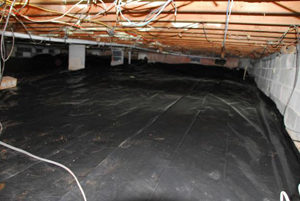
Wondering if your home needs crawl space help? If you live in Atlanta, GA, the answer could be hiding right under your feet. This guide walks through the telltale signs, why they happen here, and how a pro handles repair sequencing so fixes last. If any of these red flags sound familiar, talk to Southeastern Crawlspaces about professional crawl space repair.
Many of these issues start small. Over time they spread to floors, doors, walls, and even indoor air. To protect your home value, it pays to act early. If you are already comparing options, here is a helpful starting point on crawl space repair in Atlanta, GA and how it supports a safer, healthier home.
What Real-World Signs Point To Crawl Space Trouble
Most homeowners spot symptoms upstairs long before they peek below. Keep an eye out for these everyday clues that your crawl space needs attention:
- Sagging floors or a soft, bouncy feel when you walk across the room
- Musty odors, especially after heavy rain or summer humidity
- Doors that rub or won’t latch and new cracks opening above doorways
- Cold floors in winter and sticky, humid rooms in summer
- Rust on metal ducts, white powdery residue on block walls, or damp insulation
If you see standing water, active leaks, or wood that looks dark and stringy, that is an urgent warning sign. Do not ignore sagging floors or soft spots. What looks like a small nuisance can spread into framing damage if moisture sits too long.
Why Atlanta’s Climate Makes Crawl Spaces Vulnerable
Atlanta’s quick thunderstorms, humid summers, and clay-heavy soils are tough on vented crawl spaces. Moist air sneaks in through vents or gaps, then condenses on cool surfaces under the house. That water feeds mold and can weaken wood over time. In older homes around Grant Park, Kirkwood, Decatur, and East Atlanta, narrow clearances and past repairs may also block airflow and trap damp air.
Soil grading and downspouts add another layer. If stormwater sheets toward the foundation, it can seep along the perimeter and raise humidity below the floor system. Musty odors after rain are an early warning. Left alone, moisture leads to heavier issues like wood rot and floor settlement.
How Pros Diagnose Crawl Space Issues
A thorough inspection looks at the structure and the moisture sources together. That means checking joists, beams, and support piers, then tracking how water and air move in and out of the space.
During a professional assessment, you can expect a clear set of findings tied to your home’s layout, including:
- Structural observations: areas of deflection, undersized or failing supports, and wood condition
- Moisture mapping: visible water, vapor drive from soil, damp insulation, and vent locations
- Air and duct interaction: unsealed penetrations, leaky ducts that pull crawl air into rooms
- Sequencing plan: the order of fixes so one step does not undo the next
It helps to document the crawl space like a mini ecosystem. Stopping the moisture sources is just as important as shoring up the structure. That balanced approach is what keeps repairs from becoming repeat projects.
Top Signs Explained: What They Mean For Your Home
Sagging Floors
Atlanta homes with long spans or older piers often show sagging where wood has taken on moisture. When joists get damp for long periods, they lose stiffness and can deflect. You might notice furniture leaning, tile grout opening, or a trampoline feel across the living room. Call a professional if you notice standing water or spongy flooring so damage does not spread to beams.
Musty Odors And Allergy Flare-Ups
That basement-like smell tells you humidity is high and air is not moving as it should. Because indoor air rises, crawl space air can mix into your living areas. If someone in the home has allergies that worsen after storms, high moisture under the floor is a prime suspect.
Condensation, Rust, Or Efflorescence
Shiny beads of water on ducts, rust on hangers, or a white, dusty film on block walls point to chronic dampness. These are not cosmetic problems. Rust on metal or white residue on masonry is a red flag for hidden moisture that can lead to mold growth and wood decay if it is not addressed.
Smart Repair Sequencing That Lasts
Getting the order right prevents rework. Professionals in Atlanta typically prioritize fixes in a way that removes the cause first, then strengthens the structure, and finally stabilizes the environment. A common sequencing plan looks like this:
- Source control: redirect roof runoff, improve grading, and seal obvious ground moisture paths
- Structural stabilization: add or adjust supports where floors have settled or joists have weakened
- Moisture management: continuous ground cover or encapsulation, sealed vents, and controlled drying
- Air quality measures: address duct leakage, air sealing, and right-sized dehumidification as needed
Every home is different. A ranch in Sandy Springs with a high water table will not get the same plan as a Buckhead bungalow with long interior spans. Still, the principle holds: fix moisture sources first, then make structural corrections, then lock in a clean, dry environment. If you want more background on sealing and humidity control, scan these crawl space encapsulation tips written for Atlanta’s seasons.
Local insight: Spring storms and late-summer humidity spikes are when crawl spaces in Atlanta work the hardest. Scheduling repairs and moisture control before peak heat helps materials dry faster and keeps follow-up visits to a minimum.
Moisture Sources To Tackle First
Before anyone talks finishes or equipment, a pro will look for water entry and vapor drive. Common culprits include short downspouts splashing near the foundation, negative grading that tilts soil toward the house, and open vents that pull wet summer air into the crawl space. In tight spaces around Decatur and Brookhaven, old insulation can also trap moisture against joists.
Addressing these sources lets the rest of the plan work. After source control, many homes benefit from continuous ground coverage or full sealing to keep new moisture out. If your home needs a complete barrier and air-sealing strategy, ask about full crawl space encapsulation so the space stays consistently dry.
What To Expect During Professional Crawl Space Repair
Clear communication matters as much as good workmanship. A reliable team will explain the tests they ran, the conditions they found, and how each step solves a specific problem. You should receive a simple report with photos and an easy-to-follow scope that lists the sequence of tasks in plain language.
During work, expect careful handling of wiring, plumbing, and HVAC runs. Crews will protect finished areas, manage debris, and keep the site tidy each day. Afterward, you should be able to feel the difference: floors firm up, doors operate more smoothly, and the home smells cleaner, even after a summer storm.
Neighborhood Examples Around Atlanta, GA
Across Metro Atlanta, similar patterns show up with local twists:
East Atlanta and Kirkwood: Older homes with mixed updates often see bouncy spots near room transitions. Supports may be mismatched from past work. Correcting moisture first, then right-sizing new supports, brings floors back in line.
Decatur and Druid Hills: Tree cover and shade keep soil damp. Condensation on ducts and cool masonry is common. Sealing vents, adding continuous ground barriers, and right-sized drying helps stabilize humidity.
Buckhead and Sandy Springs: Larger spans across open floor plans can show dips over time. Careful structural adjustments plus encapsulation help these homes resist seasonal movement.
When It Is Time To Call A Pro
If you are noticing more than one sign at a time, do not wait. Floors do not fix themselves, and moisture rarely gets better without changes below the home. A quick visit from Southeastern Crawlspaces can confirm the cause and map a plan that fits your home’s layout and materials.
If you are ready to move forward, learn how our team approaches repairs and materials on our main service page for crawl space repair. You will see how we address moisture sources, structural needs, and long-term stability so the space stays dry and dependable.
More Tips on Crawl Space Repair








